I. The 10 Explicit Core Value Clusters
📘 “THE HIDDEN CODE OF CANADA” https://x.com/SkillsGapTrain/status/1934397843718148554 (Directly named as foundational in the Report: “The Hidden Code of Canada”)
-
Sacred kinship
-
Duty of care
-
Generational continuity
-
Fairness anchored in truth
-
Order over ideological mercy
-
Equality before the law
-
Mastery
-
Honour in labour
-
Contribution through creation
-
Stewardship of land
-
Reverence for creation
-
Order within ecology
-
Divine symmetry
-
Sacred architecture
-
Aesthetic dignity
-
Spiritual depth
-
Sacred time and space
-
Awareness of the transcendent
-
Civic trust
-
Masculine solidarity
-
Mutual loyalty through shared hardship
-
Epistemic rigour
-
Moral clarity
-
Objective standards
-
Earned liberty
-
Freedom of conscience
-
Ordered liberty through duty
-
Legacy protection
-
Ancestral responsibility
-
Guardianship of land and institutions
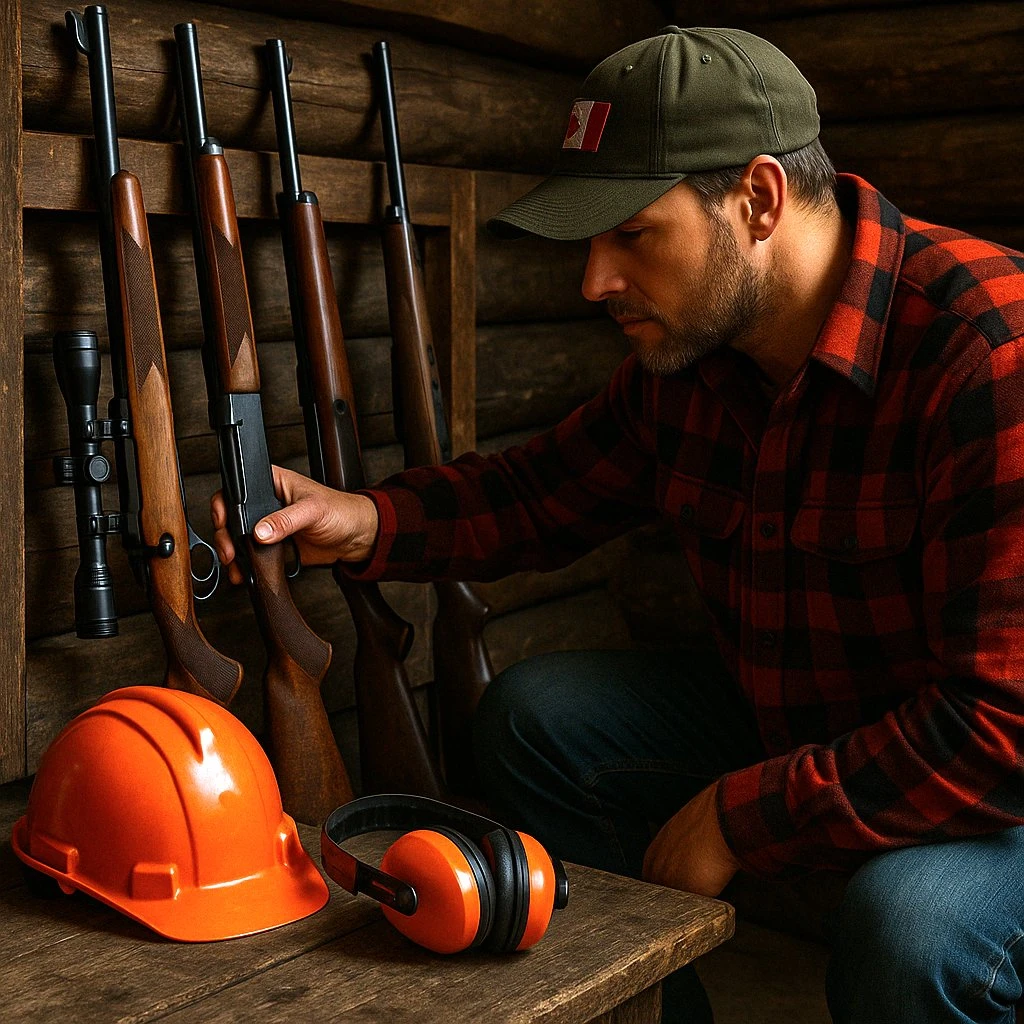
II. Frontier Code Operational Values
📘 “Firearms, Frontier Identity, and the Hidden Code of Canada” https://x.com/SkillsGapTrain/status/1997708629479498175
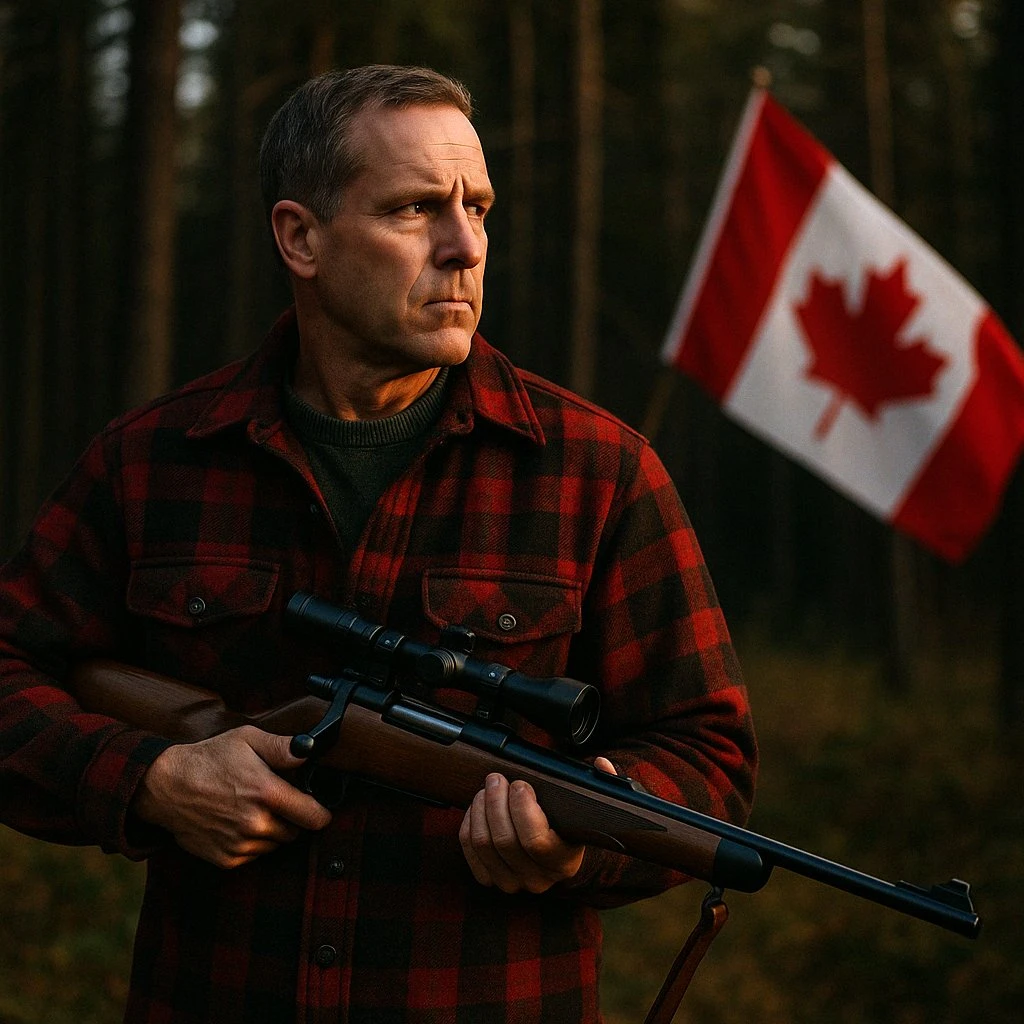
III. Structural / Governance Values
“A Minister, a Hammer, and a Broken Model of Accountability” https://x.com/SkillsGapTrain/status/2021166817012744297 (From SGT’s accountability and public safety research on the Public Safety file. Report: “A Minister, a Hammer, and a Broken Model of Accountability”)
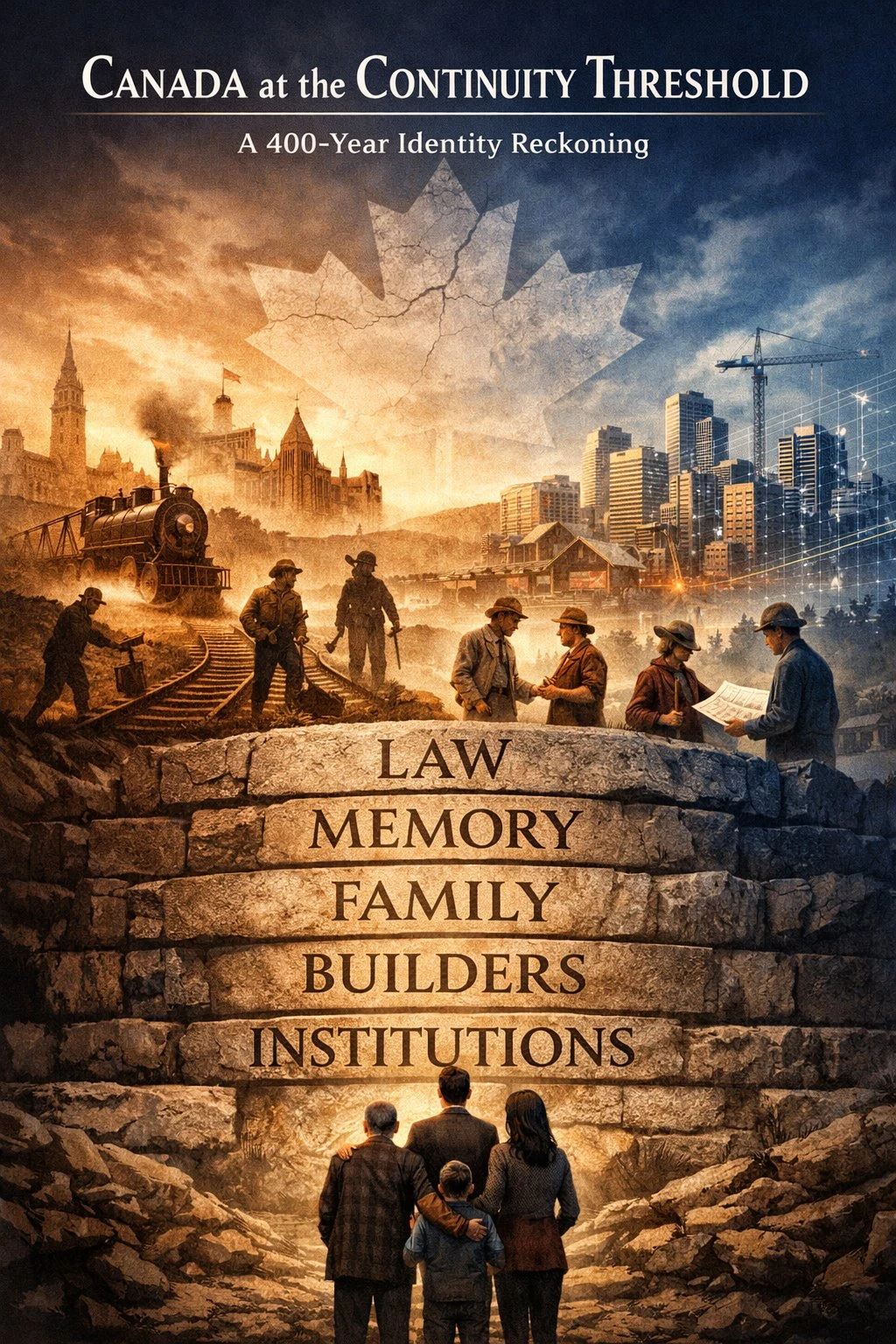
🇨🇦 “Canada at the Continuity Threshold” https://x.com/SkillsGapTrain/status/2022094914327392578
-
Dignity
-
Sacrifice
-
Fortitude
-
Civic Order
-
Duty before Self
-
Inter-generational Memory
-
Sacred Oath / Promise-Keeping
-
Merit (earned status)
-
Hierarchy with Responsibility (non-flattened excellence)

Consolidated Master List (45 Core Values Identified)

Appendix A: Centralization, Media Framing, and the Erosion of Voter Influence
Video: “Let’s Cut The Bull: Floor Crossers & Whether Canadians Vote For The Person or The Party” – Northern Perspective https://youtu.be/TLpoxd_xF-M
Observations:
-
Floor crossings undermine voter intent. People vote for one platform and wake up represented by another.
-
Mainstream media has spent years embedding crisis-based fear narratives — especially around Trump (during his Presidential era 2017–2021 and January 20, 2025–present) — conditioning large segments of the population, particularly boomers in Ontario and Quebec, to react emotionally rather than critically. That shapes elections whether people realize it or not.
-
At the same time, Conservative and independent influencers report throttling, demonetization, and shadow banning, while liberal-aligned voices and even liberal AI-driven channels appear to face fewer barriers and massive hits on social media and video sites (boots up immediately to success, no delays of years and years). Whether intentional or systemic, the imbalance affects what people see and hear.
-
The CBC, despite being taxpayer-funded, increasingly feels partisan rather than non-partisan. Reporting tone and framing can influence polling perception, which then feeds back into voter psychology and turnout.
-
Parliament sits far fewer days than it historically did, on per year basis. Example: The House sat 72 days in 2025 has been widely circulated. Key decisions are increasingly routed through executive authority within the Prime Minister’s Office.
-
Budgets are delayed, concentrating spending power within executive control at Prime Minister’s office, rather than full parliamentary scrutiny. Example: Canada’s federal fiscal year runs April 1 to March 31. Budget 2025 was tabled on November 4, 2025. That is 217 days after April 1 — about 59% of the fiscal year already elapsed when the budget was finally tabled. Additionally, the government publicly moved to a fall budget cycle starting with Budget 2025 (i.e., structurally later scrutiny timing).
-
And then there’s the broader pattern across multiple elections. When there is clear frustration from large parts of the electorate — for example during periods described as a “Blue Wave” or “Super Majority” territory, reaching historically high levels for 750 to 900 days — representing a strong desire for political change, the outcome often results in leadership changes within the same Liberal Party rather than a true change in the governing party.
Appendix B: The Abstraction of Values and the Quiet Reordering of Moral Priorities
Video: “Let’s Cut The Bull: Floor Crossers & Whether Canadians Vote For The Person or The Party” – Northern Perspective https://youtu.be/TLpoxd_xF-M
SGT’s Comment:
-
They become flexible.
-
Different actors can fill them with different content.
-
The public has less ability to detect re-weighting.
-
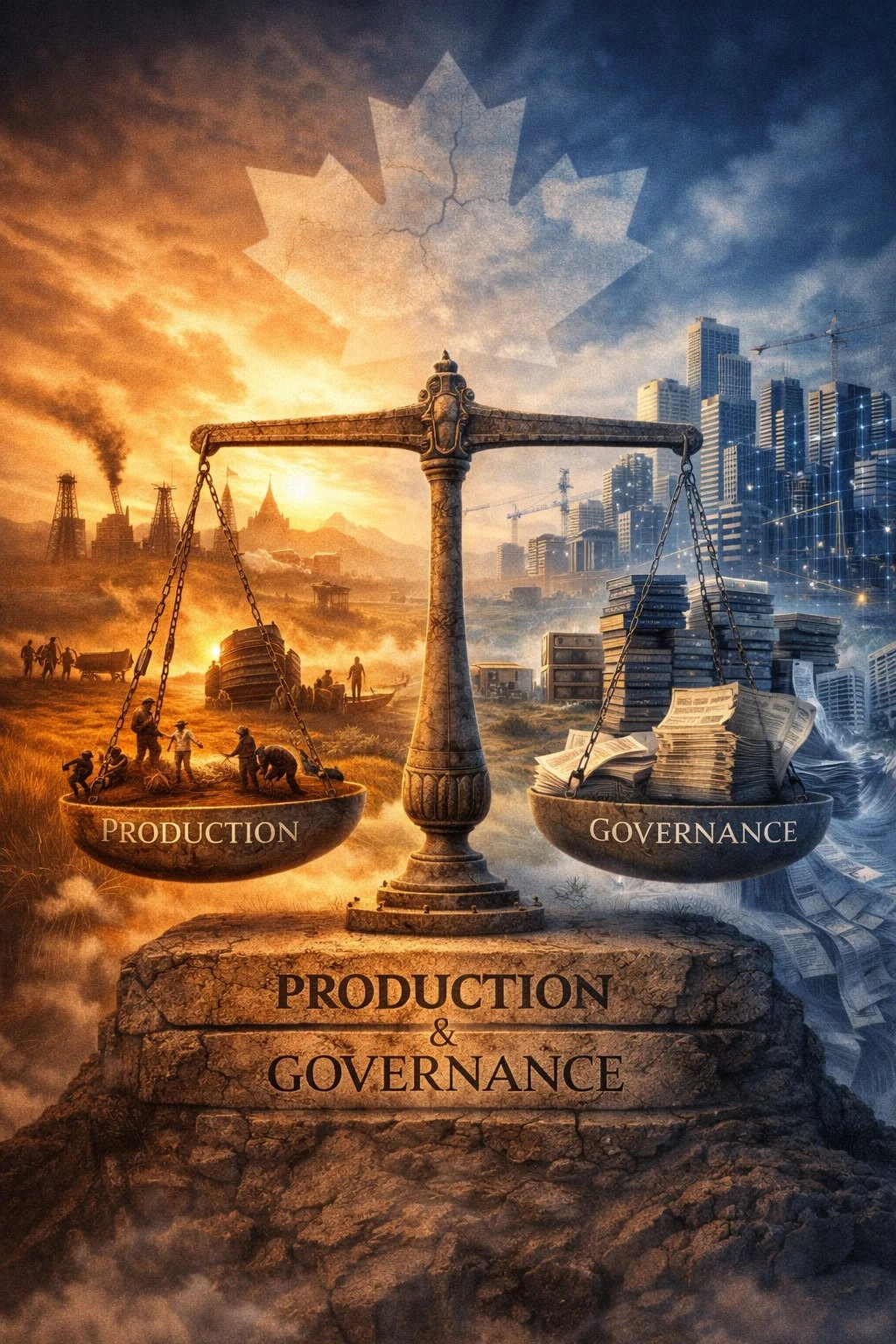
Abstract value language can make it easier for domestic policy frameworks to align with proposed international governance models — particularly when leaders such as Mark Carney speak in terms of a ‘New World Order’ to CCP in China, or expanded global coordination and expanded immigration from Global East — without clearly defining how national value hierarchies are being interpreted, adjusted and impacted.
-
Abstract value language makes it easier for domestic policy to align with international regulatory frameworks (e.g., ESG reporting standards, net-zero commitments, transnational trade agreements) while still being presented under familiar national value terminology.
-
When political leaders reference shifts toward a ‘new international order’ or global coordination frameworks, those phrases often lack precise explanation of how domestic value hierarchies will be affected. This ambiguity leaves citizens without clear insight into the normative commitments embedded in such transitions.
😀 Clarification on Pattern Recognition
Related Content:
“True North, Armed & Free: Why Gun Ownership Is Core to Canadian Identity” https://x.com/SkillsGapTrain/status/1913178482672099684
🇨🇦 “True North, Armed & Free: Civilization’s Legacy — Canada’s Future” https://x.com/SkillsGapTrain/status/1916880261536702506
🇨🇦 “True North, True Identity: Reclaiming Canada’s Real Civilization” https://x.com/SkillsGapTrain/status/1916118889307771274
🇨🇦 “Freedom Is the Heart of Canada’s Value — Don’t Let It Be Undermined” https://x.com/SkillsGapTrain/status/1870327584019317156
“The Real Separation Happened in Ottawa: Why Liberal Canada Left the Nation, & Alberta Stayed” https://x.com/SkillsGapTrain/status/1912315015916581181
“Engineering Progress vs. Postmodern Deconstruction: Canada’s 1970s Philosophical Schism” https://x.com/SkillsGapTrain/status/1887299542065795429
“Analysis of Canadian Military and National Values (1900 to 2024) and Leadership Under PM Trudeau” https://x.com/SkillsGapTrain/status/1856981702104560119
“Indigenous Population and Land in Canada: A Statistical Reality Check” https://x.com/SkillsGapTrain/status/1969529813921907008
“Canada’s Breaking Point: The Civilizational Squeeze on Its Load-Bearing Nodes” https://x.com/SkillsGapTrain/status/1971622900982861939
“The Canadian Code: What We Kept, What We Lost, What We Need” https://x.com/SkillsGapTrain/status/1971025645397573635
“What is “social cohesion”?” https://x.com/SkillsGapTrain/status/2022117845501718762
“Civilizational Stress Test: Party Platforms vs. Moral Law, Engineering & Biblical Truth (2025)” https://x.com/SkillsGapTrain/status/1939005036832657799
“The 5 Laws That Must Govern AGI, Civilization, & the Builders of the Next World” https://x.com/SkillsGapTrain/status/1941607960863703140